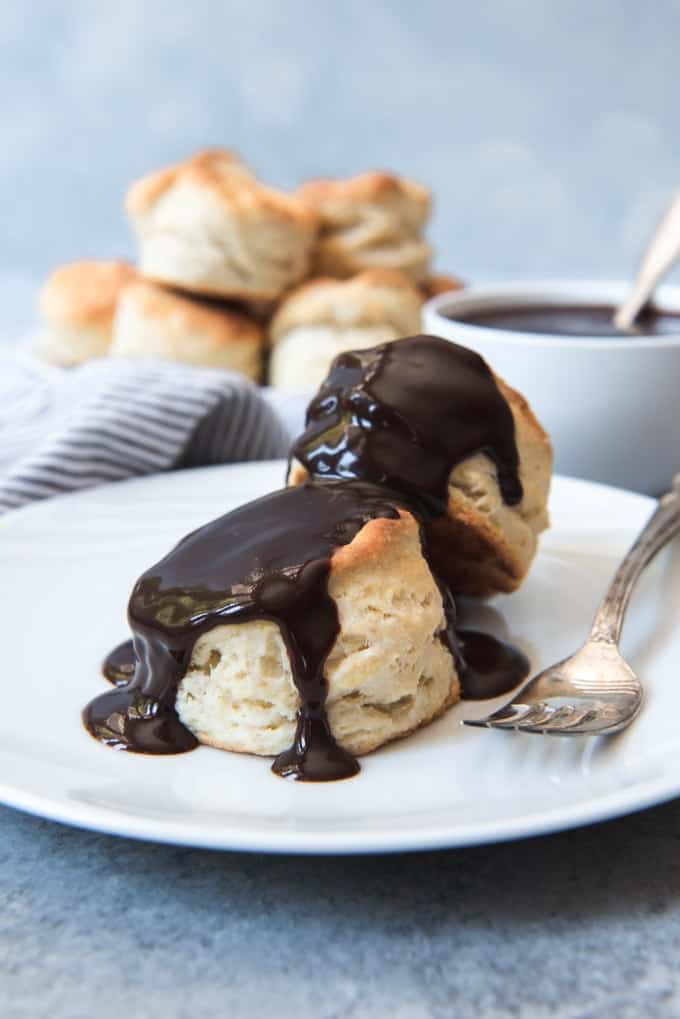
Welcome back to our exploration of a true Southern culinary gem! While the mere mention of gravy often conjures images of savory roast beef or chicken, the South offers a delightful, sweet surprise that defies expectations: southern biscuits and chocolate gravy. This isn't just a meal; it's a heartwarming tradition, a taste of comfort, and a testament to the ingenuity of resourceful home cooks. If you're ready to move beyond the basics and truly master the art of this beloved dish, you've come to the right place. In southern biscuits and chocolate gravy - Article 1, we delved into the history and fundamental ingredients. Now, prepare to refine your techniques, troubleshoot common issues, and elevate your southern biscuits and chocolate gravy to new heights of deliciousness.
Perfecting the Biscuit: From Ingredients to Technique
The biscuit component of southern biscuits and chocolate gravy is arguably the most critical. A perfect Southern biscuit should be tall, flaky, tender, and just begging to soak up that rich chocolate goodness. Achieving this isn't rocket science, but it does require attention to a few key details.
The Power of Cold Ingredients
- Cold Butter or Lard: This is non-negotiable. Cold fat creates pockets of steam in the oven, leading to those coveted flaky layers. Whether you use unsalted butter or a combination of butter and lard, ensure it's straight from the fridge and cut into small pieces before you start. Some even freeze their fat briefly for extra insurance.
- Cold Buttermilk: Just like the fat, buttermilk should be cold. Its acidity reacts with baking soda to create lift, and keeping it cold helps prevent the butter from melting prematurely.
Mastering the Mix: Don't Overwork It!
The most common mistake when making biscuits is overworking the dough. Gluten develops quickly, and too much handling results in tough, dense biscuits instead of light, tender ones. Here's how to avoid it:
- Cut in the Fat: Use a pastry blender, two knives, or even your fingertips to cut the cold butter/lard into the dry ingredients. You want pea-sized pieces of fat, and a few larger ones are fine. This process should be quick to keep the fat cold.
- Add Liquids Gently: Pour in the cold buttermilk, mixing just until the dough comes together. It will be shaggy and sticky, and that's exactly what you want. Resist the urge to keep mixing until it's smooth.
- Fold, Don't Knead: Turn the dough out onto a lightly floured surface. Instead of kneading, gently pat it into a rectangle. Then, fold it over onto itself two or three times (like folding a letter). This creates additional layers and flakiness without developing tough gluten. Pat it down to your desired thickness (usually 1/2 to 3/4 inch).
The Cut and Bake
- Clean Cuts: Use a sharp biscuit cutter and press straight down – don't twist! Twisting seals the edges, inhibiting rise.
- Close Contact: For softer sides, place biscuits close together on the baking sheet. For crustier sides, space them out.
- Hot Oven: Biscuits love a hot oven (usually 425-450°F / 220-230°C). This high heat helps them rise quickly and achieve that golden-brown crust.
Crafting the Silky Smooth Chocolate Gravy
While the biscuit provides the canvas, the chocolate gravy is the luxurious paint that brings the entire dish to life. A truly exceptional chocolate gravy is smooth, rich, not overly sweet, and possesses a delicate, velvety texture. Here's how to achieve that perfection:
The Foundation: A Proper Roux or Slurry
The key to a lump-free gravy lies in properly combining your fat and thickener before adding the milk.
- Fat Choice: While butter is common and delicious, some traditionalists swear by bacon grease for an added layer of savory depth that complements the chocolate surprisingly well.
- Flour Integration: Melt your chosen fat in a heavy-bottomed saucepan over medium heat. Whisk in all-purpose flour until a smooth paste (a roux) forms. Cook this for 1-2 minutes, stirring constantly, to cook out the raw flour taste. For a richer, darker gravy, you can cook it a little longer until it's a light tan, but be careful not to burn it.
- Cocoa and Sugar: Whisk in unsweetened cocoa powder and granulated sugar into the roux. This ensures they are fully incorporated and won't clump when the liquid is added.
The Liquid and the Whisk
Once your dry ingredients are combined with the fat, it's time for the milk:
- Warm Milk (Optional, but Recommended): While not strictly necessary, gently warming your milk beforehand can help prevent lumps and speed up the thickening process.
- Gradual Addition and Constant Whisking: Slowly pour in the milk, a little at a time, whisking vigorously after each addition. This is the crucial step to prevent lumps. Continue to whisk until all the milk is incorporated and the gravy begins to thicken.
- Simmer to Desired Consistency: Bring the gravy to a gentle simmer, continuing to whisk occasionally. It will thicken as it heats. Cook for 3-5 minutes, or until it reaches your desired consistency – thick enough to coat a spoon, but still pourable. Remember it will thicken a bit more as it cools.
- Flavor Enhancements: Remove from heat and stir in a splash of vanilla extract and a pinch of salt. The salt really helps to bring out the chocolate flavor and balance the sweetness.
Elevating Your Southern Biscuits and Chocolate Gravy Experience
While the classic presentation of southern biscuits and chocolate gravy is simplicity itself – warm biscuits generously drowned in chocolate gravy – there are ways to enhance the experience, whether for a special occasion or just to treat yourself.
Creative Pairings and Toppings
- Fresh Fruit: The brightness of fresh berries (strawberries, raspberries, blueberries) or sliced bananas cuts through the richness of the gravy beautifully.
- Whipped Cream or Ice Cream: For a more decadent dessert-like experience, a dollop of fresh whipped cream or a scoop of vanilla bean ice cream adds a creamy, cool contrast.
- Chopped Nuts: A sprinkle of toasted pecans or walnuts can add a delightful textural crunch.
- Aromatic Spices: Consider adding a tiny pinch of cinnamon, a dash of espresso powder, or even a hint of cayenne pepper (for a subtle "Mexican hot chocolate" vibe) to your chocolate gravy for an extra layer of complexity.
Beyond Breakfast: Versatile Serving Occasions
While historically a breakfast staple, don't limit your enjoyment of southern biscuits and chocolate gravy to the morning:
- Brunch Delight: It's a fantastic centerpiece for a weekend brunch, alongside savory items like scrambled eggs and bacon.
- Unique Dessert: Serve smaller portions as an unexpected and comforting dessert, perhaps in small bowls with a spoon.
- Comfort Food Anytime: On a chilly evening or whenever you need a hug in a bowl, this dish delivers.
Remember, the beauty of this dish lies in its versatility and ability to evoke warmth and nostalgia. For more advanced variations or innovative twists on this beloved dish, be sure to check out southern biscuits and chocolate gravy - Article 3.
Troubleshooting Common Pitfalls
Even with the best intentions, things can sometimes go awry. Here’s a quick guide to troubleshooting common issues you might encounter with your southern biscuits and chocolate gravy:
Biscuit Bummers
- Flat Biscuits:
- Cause: Overworked dough, old baking powder/soda, twisting the biscuit cutter, not enough leavening.
- Fix: Ensure ingredients are fresh, handle dough minimally, and press cutter straight down.
- Tough Biscuits:
- Cause: Too much flour added during rolling, overworking the dough, too much liquid.
- Fix: Use minimal flour on your surface, mix until just combined, and measure buttermilk accurately.
- Dry/Crumbly Biscuits:
- Cause: Not enough fat, too much flour, baking too long.
- Fix: Ensure you have enough cold butter/lard. Reduce baking time if edges brown too quickly.
Gravy Grief
- Lumpy Gravy:
- Cause: Not whisking constantly when adding milk, or adding milk too quickly.
- Fix: Whisk vigorously during the milk addition. If lumps occur, press the gravy through a fine-mesh sieve or use an immersion blender to smooth it out.
- Too Thick Gravy:
- Cause: Too much flour, cooking too long.
- Fix: Gradually whisk in a little more warm milk until desired consistency is reached.
- Too Thin Gravy:
- Cause: Not enough flour, not cooked long enough, or too much milk.
- Fix: Make a small slurry of 1-2 teaspoons of flour or cornstarch with an equal amount of cold milk or water. Whisk this into the simmering gravy and cook for another minute or two until thickened.
- Burnt Taste:
- Cause: Cooking over too high heat, not stirring constantly.
- Fix: Unfortunately, a burnt taste is hard to remedy. Best to start over, ensuring medium-low heat and consistent stirring, especially during the roux stage.
Mastering southern biscuits and chocolate gravy is a journey of practice and passion. Each attempt refines your touch, making you more attuned to the nuances of temperature, texture, and timing. From the flakiness of the biscuit to the velvety embrace of the chocolate gravy, this dish is a delicious symphony of comfort and tradition. Don't be discouraged by initial imperfections; embrace them as learning opportunities. The reward is a truly unforgettable breakfast or dessert that speaks volumes of Southern hospitality and homemade goodness. So, roll up your sleeves, embrace the sweet challenge, and savor every bite of this timeless classic!
